

Your cart
You have no items in your cart.
Shatavari For Breastfeeding


Mentioned in this Article


Shatavari, also known as wild asparagus, is native to the Indian subcontinent and grows predominantly in the Himalayas. Ayurvedic practitioners have utilized this herb for its medicinal properties for centuries.
Shatavari is renowned for its curative properties and ability to treat various health conditions and difficulties.
It is also a well-known galactagogue, meaning it can stimulate breast milk production. This ancient herb is commonly used to support lactation in India and China. Research indicates that Shatavari increases prolactin (the hormone that stimulates milk production) to increase breast milk production.
Benefits Of Shatavari For Breastfeeding

Lactating mothers require a nutrient-rich diet to help their bodies recover from childbirth and produce ample amounts of breast milk. Some nursing mothers discover they cannot produce enough breast milk despite a healthy diet.
Your lactation consultant may recommend a galactagogue in this instance. This supplement or herb can help increase your breast milk production so that you can properly nourish your infant.
Specifically, it stimulates the ovaries to generate more hormones, corticoids, and prolactin, which enhances the quality and quantity of breast milk a nursing mother can make.
The mechanism behind shatavari's effect on lactation is thought to involve its steroidal saponins, known as shatavarins. These compounds may stimulate the pituitary gland to produce higher levels of prolactin, the primary hormone responsible for milk production. In one study published in the Indian Journal of Pharmacology, nursing mothers who took shatavari showed a measurable increase in prolactin levels compared to the control group. This elevated prolactin may lead to greater breast milk volume and improved milk letdown reflex. For postpartum mothers struggling with low milk supply, shatavari's ability to support the hormonal cascade behind lactation makes it a valuable galactagogue option.
Compounds Found in Shatavari
Most new mothers are concerned about everything they consume because it will likely be transmitted to their infant.
Shatavari contains bioflavonoids, which are antioxidant-containing plant compounds. Consequently, it can aid in the battle against free radicals within the body, which can cause cell damage and aging.
It is also packed with numerous hydrogenates and trace minerals, which are advantageous to a woman's reproductive system. These include manganese, zinc, potassium, selenium, magnesium, cobalt, copper, and calcium. All of these are essential for the health of your body.
Shatavari herb also contains vitamins B and A and essential fatty acids.
Advantages Of Shatavari For Breastfeeding Mothers

Ayurvedic doctors advocate Shatavari to increase milk supply. Nonetheless, it also has several additional positive effects on overall health. These include the following:
- Because of its antioxidant characteristics, it can protect your cells to help maintain good health. Shatavari has a lot of saponins, which are considered a type of natural detergent.
- Additionally, Shatavari contains Racemofuran, which acts as a potent anti-inflammatory. They can lower inflammation without generating significant gastrointestinal side effects.
- Taking Shatavarii before and throughout the nursing stage can boost your immune system and protect both you and your baby from illness.
- Shatavri can also help with chronic coughs. According to a study, its root extract was just as effective in suppressing coughs as codeine-containing over-the-counter medications.
- Your digestive health will also benefit from this plant. If you take it frequently, you won't have to worry about gastrointestinal disorders like diarrhea, heartburn, or inflammation.
- This herb contains chemicals with antidepressant properties. This property may help new mothers avoid developing postpartum depression.
- This plant may have diuretic properties. Fluid retention can be treated using diuretics. They are commonly prescribed to those who suffer from congestive heart failure to divert fluid away from the organ.
Nevertheless, prescribed medications frequently cause significant side effects. Though several studies have looked into the possibility of prescribing Shatavari as an alternative to conventional medicines, additional investigation is required.
Beyond milk production, shatavari may also support postpartum recovery in meaningful ways. The postpartum period places enormous physical demands on a mother's body — tissue repair, hormonal rebalancing, and immune function all require extra nutritional support. Shatavari's adaptogenic properties may help stabilize mood and reduce the postpartum stress that can interfere with both lactation and bonding. Some Ayurvedic practitioners recommend shatavari to postpartum mothers specifically because it may facilitate tissue regeneration and provide strength during recovery after childbirth, including after cesarean sections. Its gentle nourishing quality makes it well-suited to the postpartum window when mothers need support for both breast milk supply and their own physical healing.
Different Forms Of Shatavari
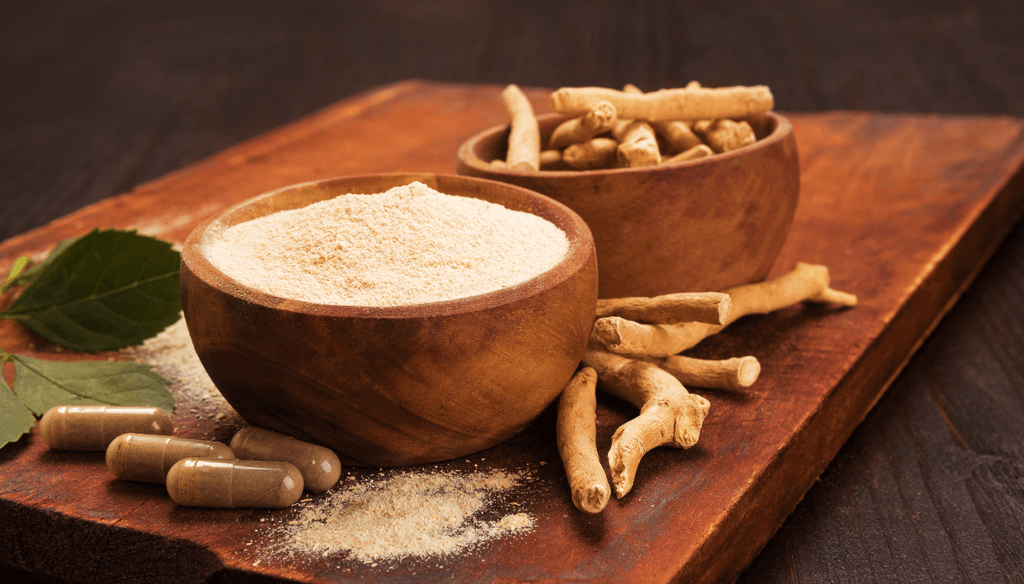
Herbal Jams or Paste: Shatavari Gulam is the herb's jam or paste form.
Churna: Churna is an Ayurvedic mixture of botanicals and minerals in powdered form.
It can be challenging to produce the right dosage in Churna form.
You can find a mixture of predominantly Shatavari with a few additional minerals. Frequently, physicians are hesitant to prescribe Churna because it contains additional ingredients.
If you are already taking a supplement containing some ingredients in Churna, an overdose can occur and might put you and your child in danger.
Capsules: For breastfeeding mothers who want precise dosing without the guesswork, capsules are often the most practical option. shatavari for lactation support capsules contain a standardized amount of shatavari root extract, making it easier to maintain a consistent daily intake during the lactation period.
Ghee: Shatavari can be boiled with butter to produce medicinal ghee.
You can spread the ghee on toast or other foods to stimulate breast milk production. Again, it can be challenging to determine the correct dosage using this method. You cannot determine the amount of Shatavari in the ghee, so you may ingest too much or too little.
Both are undesirable because consuming too much could cause you to produce an oversupply milk, while eating too little will not produce the desired results.
Recommended Dosage of Shatavari
Shatavari has many health benefits but should only be consumed after consulting an expert. Before recommending it, the expert will diagnose the condition and recommend dosages accordingly.
Shatavari can be ingested in several different ways. The two most common forms of Shatavari are capsules and granules.
1. Capsules
Ayurvedic practitioners commonly recommend Shatavari capsules for lactation. Shatavari extract capsules are typically prescribed at a daily dosage of 500 to 1,000 milligrams.
2. Powder
Doctors frequently recommend Shatavari Kalpa powder for breast milk. The suggested daily dosage is 3 to 6 grams. It can be consumed with tepid milk or honey-sweetened water.
For nursing mothers who want more detail on timing, duration, and how to adjust dosage as milk production stabilizes, our dosage guide covers these considerations in depth. It is worth noting that most lactation consultants recommend starting with a lower dose and gradually increasing while monitoring breast milk output and any changes in your baby's feeding behavior.
Side-Effects of Consuming Shatavari While Breastfeeding
According to research, Shatavari is non-toxic and entirely safe for breastfeeding mothers and their infants. It is harmless and causes no adverse reactions in nursing mothers or their children. However, it is best to consult a physician before using this medication.
Precautions When Taking Shatavari
Before consuming Shatavari, nursing mothers must consider these precautions.
- If you have an allergy to asparagus, you should avoid Shatavari. Among the symptoms of an allergy are rashes and respiratory difficulties.
- Shatavari is a diuretic and may induce frequent urination. If you are currently taking diuretics, avoid this herb.
- This herb is naturally heavy and viscous. It increases the lubrication-promoting 'kapha' within the body. If you suffer from congestion, don't consume Shatavari to avoid complications.
- As this herb contains plant estrogens, it may affect women who are sensitive to it. This can result in weight gain, breast enlargement, or breast tenderness.
Shatavari is a beneficial botanical supplement for women, particularly nursing mothers. However, consistent use for a few weeks is required for recognizable results. Although the herb is naturally occurring and readily available, you must counsel your physician before consuming it.
It is worth noting that lactation challenges are common in the postpartum period, and many mothers find that a combination of frequent nursing, adequate hydration, and galactagogue support helps establish reliable milk production. Shatavari's traditional role in supporting lactation has made it one of the most widely recommended herbs for postpartum breastfeeding support in Ayurvedic medicine. The postpartum body requires extra care, and maintaining consistent breast milk output is often a top priority for nursing mothers.
If you took shatavari during pregnancy, discuss with your healthcare provider whether to continue the same dosage or adjust it for the postpartum and breastfeeding phase. The transition from pregnancy to lactation involves significant hormonal shifts, and your body's needs for milk production support may differ from the support it needed during gestation.
Frequently Asked Questions
Is shatavari safe while breastfeeding?
Shatavari is generally considered safe for breastfeeding mothers when taken at recommended doses. It has a long history of traditional use as a lactation support herb. However, it is always advisable to consult your healthcare provider before adding any new supplement to your postpartum routine.
How quickly does shatavari increase milk supply?
Most mothers report noticing changes in breast milk production within one to two weeks of consistent use. Lactation response times may vary depending on individual factors such as overall health, stress levels, and how frequently the baby is nursing. Consistent daily intake is important for seeing results in milk production.
How much shatavari should I take for lactation?
A typical dosage for lactation support is 500 to 1,000 mg of shatavari extract in capsule form, or 3 to 6 grams of shatavari powder daily. Your Ayurvedic practitioner or lactation consultant can help determine the right amount based on your milk production needs and postpartum health status.
Can I take shatavari powder while nursing?
Yes, shatavari powder is a popular form for breastfeeding mothers. It can be mixed with warm milk or honey-sweetened water for easy consumption. The key advantage of powder is flexibility in dosing, though capsules may be more convenient for precise measurement during the busy postpartum period.
When should I start taking shatavari for breastfeeding?
Many Ayurvedic practitioners suggest starting shatavari in the third trimester or immediately postpartum to support early lactation. However, the best time to begin depends on your individual circumstances. Consult your healthcare provider to determine when introducing shatavari into your breastfeeding routine is appropriate for you.
Summary
Shatavari is a great way to support and nourish your body during pregnancy and post-partum.
It's believed that Shatavari can be helpful for this purpose due to its nourishing and tonic herb qualities. So it is no surprise that mothers look for Shatavari during their breastfeeding journey.
Aside from Shatavari, you can take other herbal supplements to care for your body and promote a healthy lifestyle, like Ashwgandha, Lion's Mane, Turmeric, and more!
Related Reading: shatavari health benefits — your complete resource for shatavari benefits, dosage, and usage.
Tribe Organics is a natural supplement brand that promises to help you achieve your health goals.
Explore our full range of our full herb range products.
We are ready to guide you during your breastfeeding journey and beyond. Talk to us!
Related reading: our guide on benefits of shatavari
Shop best sellers
Explore our collection of favorite items that have gained popularity for their quality and satisfaction.


