

Boswellia vs Turmeric: Which Natural Anti-Inflammatory Is Better for You?


If you’ve been researching natural options for joint pain, chronic inflammation, or general wellness, you’ve probably encountered two heavy hitters: Boswellia serrata and turmeric. Both have roots in ayurvedic medicine stretching back thousands of years, and both now have serious clinical research backing up their traditional uses.
But which one is right for you? The answer depends on your specific goals, how fast you want results, and whether you’re dealing with localized joint issues or broader systemic inflammation. Let’s break down the evidence so you can make an informed choice.
Quick Answer: Boswellia vs Turmeric for Pain & Inflammation
Here’s the short version: turmeric (standardized curcumin) has a broader evidence base for systemic inflammation, metabolic health, and long-term wellness. It works on multiple molecular pathways and offers anti inflammatory and antioxidant support throughout the body.
Boswellia, on the other hand, tends to be faster-acting for joint pain and stiffness. Clinical studies suggest it can provide noticeable pain reduction within one to two weeks in many users, making it particularly valuable for osteoarthritis patients looking for quicker relief.
The real power move? Combining turmeric and boswellia together. Multiple randomized controlled trials show that this combination can deliver stronger results for joint health than either herb alone, likely because they block inflammatory pathways at different checkpoints.
|
Feature |
Boswellia |
Turmeric (Curcumin) |
Boswellia + Turmeric |
|---|---|---|---|
|
Best for… |
Joint stiffness, OA, rapid relief |
Systemic inflammation, metabolic health |
Comprehensive joint & inflammation support |
|
Onset of effect |
Often 7-14 days |
Usually 2-4 weeks |
1-4 weeks |
|
Main targets in the body |
5-LOX, leukotrienes, MMPs |
NF-κB, COX-2, cytokines, oxidative stress |
Multiple inflammatory checkpoints |
|
Evidence strength |
Strong for knee OA |
Strong for pain & systemic markers |
Growing, promising synergy |
|
At Tribe Organics, we often recommend a Boswellia + turmeric strategy for customers seeking natural support for chronic pain and inflammation. Our focus on organic, lab-tested, vegan formulations means you get clinically relevant doses without unnecessary fillers. |
|
|
|

What Are Boswellia and Turmeric? (Origins & How They Work)
Both Boswellia and turmeric have been used in traditional Indian medicine for centuries. Modern research has validated many of their traditional applications, particularly for inflammation, pain, and joint function. But they work through different mechanisms, which is why understanding their origins matters.
Boswellia: The Joint Specialist
Boswellia serrata—commonly called indian frankincense—comes from the gum resin of the Boswellia tree native to India and the Middle East. The therapeutic power lies in its boswellic acids, especially acetyl-11-keto-β-boswellic acid (AKBA), which underpin Boswellia’s role as a natural remedy for pain and inflammation.
These compounds work by inhibiting 5-lipoxygenase (5-LOX), an enzyme that produces leukotrienes. Leukotrienes are inflammatory molecules directly involved in joint swelling, cartilage degradation, and pain signaling. Traditional practitioners used Boswellia for joint pain, respiratory health, and general inflammatory conditions.
Turmeric: The Systemic Modulator
Turmeric is the bright yellow root of Curcuma longa, a staple in Indian cuisine and medicine for millennia. The active ingredient that researchers focus on is curcumin, along with related curcuminoids like demethoxycurcumin and bisdemethoxycurcumin.
Unlike Boswellia’s targeted approach, turmeric acts on multiple inflammatory pathways simultaneously. It inhibits NF-κB (a master inflammatory switch), suppresses COX-2 enzymes, and reduces inflammatory cytokines like TNF-α, IL-1, and IL-6. It also has powerful antioxidant properties that help counter oxidative stress throughout the body.
|
Characteristic |
Boswellia |
Turmeric |
|---|---|---|
|
Plant part used |
Gum resin from bark |
Root (rhizome) |
|
Key active compounds |
Boswellic acids (AKBA, KBA, βBA) |
Curcuminoids (curcumin) |
|
Primary mechanism |
5-LOX inhibition, leukotriene reduction |
NF-κB, COX-2, cytokine modulation |
|
Main traditional uses |
Joint pain, respiratory support |
Digestive health, inflammation, wound healing |
Key Benefits of Turmeric (Curcumin) Backed by Research
Turmeric’s evidence base extends well beyond joints. While it’s effective for musculoskeletal issues, it also supports metabolic health, cardiovascular function, and potentially even brain health. This makes it a versatile option for people dealing with chronic inflammation as a whole-body issue.
Joint and Musculoskeletal Support
Meta analysis of clinical trials shows that curcumin at doses of 500-1,500 mg daily can significantly reduce pain and improve function in knee osteoarthritis. In some systematic review comparisons, curcumin performed similarly to nonsteroidal anti inflammatory drugs like ibuprofen—but with fewer side effects on the digestive system.
Noticeable improvements typically appear within one to four weeks of consistent use, though benefits continue building over eight to twelve weeks; timelines like these are explored in depth when looking at how long turmeric takes to work in the body.
Metabolic and Cardiovascular Support
Clinical studies demonstrate that curcumin can reduce inflammatory markers like C-reactive protein (CRP), TNF-α, and IL-6. For people with metabolic syndrome or type 2 diabetes, research suggests modest improvements in insulin sensitivity, lipid profiles, and liver function markers.
While curcumin isn’t a replacement for prescription medications or lifestyle changes, it can serve as a supportive tool for overall metabolic health.
Brain and Mood Support
Emerging research—though still preliminary—suggests curcumin may support cognitive function and mood by reducing neuroinflammation. The compound crosses the blood-brain barrier and appears to protect neurons from oxidative damage. However, sample sizes in human studies remain small, so this shouldn’t be considered a treatment for depression or cognitive decline.
Antioxidant and Long-Term Wellness
Curcumin activates Nrf2 pathways, which upregulate your body’s own antioxidant defenses. This helps counter oxidative stress linked to aging and chronic disease, making turmeric a solid choice for daily foundational support.
The Bioavailability Challenge
Here’s the catch: standard curcumin is poorly absorbed. Most clinical trials showing benefits use enhanced formulations—curcumin combined with piperine (black pepper extract), phospholipid complexes, or nanoparticle delivery systems. These can increase absorption by 20 to 300 times compared to plain turmeric powder.
At Tribe Organics, our turmeric formulations prioritize enhanced absorption alongside organic, non-GMO sourcing to ensure you’re actually getting clinically meaningful amounts into your system.
Quick Summary: Top Turmeric Benefits
- Reduces joint pain and stiffness in osteoarthritis
- Lowers systemic inflammatory markers (CRP, IL-6)
- Supports metabolic health and liver function
- Provides antioxidant protection against oxidative stress
- Requires enhanced-absorption formulation for effectiveness
Key Benefits of Boswellia (Indian Frankincense) Backed by Research
Boswellia has earned its reputation as a targeted joint-support herb. Beyond joints, Boswellia capsules offer broader health benefits, but it especially excels at what it does: reduce pain and improve mobility in arthritis symptoms quickly.
Joint Pain and Osteoarthritis Relief
Clinical trials and meta analysis consistently show that standardized Boswellia extracts—typically providing 100-250 mg of boswellic acids daily—can significantly reduce pain, decrease morning stiffness, and improve joint function in osteoarthritis patients.
What sets Boswellia apart is speed. Some trials using high-AKBA extracts report meaningful pain relief within just seven days, with continued improvement over four to twelve weeks. For people who need faster results while avoiding conventional treatments, this rapid onset is a major advantage.
Mobility and Cartilage Protection
Beyond symptom relief, Boswellia may offer structural benefits. Research shows it can reduce matrix metalloproteinases (MMPs)—enzymes that break down cartilage. While long-term human data on cartilage preservation is still limited, the mechanism suggests potential for protecting joint structure, not just masking symptoms.
Respiratory and Other Uses
Traditional uses of Boswellia extend to respiratory health and inflammatory bowel conditions. Some preliminary evidence supports these applications, but the strongest data remains in the joint health domain.
How Boswellia Works
Boswellia’s primary action targets 5-lipoxygenase (5-LOX), blocking the production of leukotrienes that drive joint inflammation. It also reduces inflammatory cytokines like IL-1β and TNF-α, and downregulates NF-κB signaling to a lesser extent than curcumin.
Why Some People Feel Boswellia Faster Than Turmeric
Boswellia’s targeted action on leukotrienes may explain its rapid onset. Leukotrienes are potent inflammatory mediators in joints, and blocking their production can provide quick relief. Turmeric’s broader mechanism takes longer to shift the overall inflammatory landscape.
Quick Summary: Top Boswellia Benefits
For more structured daily support, some people choose a Boswellia Complex supplement for joint health and immunity.
- Rapid relief from joint pain and stiffness (often within 1-2 weeks)
- Strong clinical evidence for knee osteoarthritis
- May help protect cartilage structure
- Well-tolerated with favorable safety profile
- Particularly valuable for NSAID-sensitive individuals
Boswellia vs Turmeric: Head-to-Head for Joint Pain and Inflammation
These herbs aren’t mutually exclusive—they’re different tools that can be used alone or together depending on your goals. Understanding their distinct strengths helps you make the right choice.
Where Boswellia Excels
Boswellia shines for people with pronounced joint stiffness or osteoarthritis who want faster symptomatic relief. Its targeted action on 5-LOX and leukotrienes makes it particularly relevant for localized joint inflammation.
In network meta analysis comparing nutritional supplements for knee OA, Boswellia ranked highest for relieving pain and stiffness. Researchers found that modified Boswellia formulations significantly improved joint function compared to placebo, with compelling evidence across multiple trials.
Where Turmeric Excels
Turmeric is better suited when inflammation extends beyond the joints. If you’re dealing with elevated inflammatory markers, metabolic concerns, cardiovascular risk factors, or simply want daily antioxidant support, turmeric’s multi-pathway action makes it the smarter choice.
Studies suggest that curcumin’s effects on NF-κB, COX-2, and cytokines address a broader inflammatory picture than Boswellia’s more focused approach.
Clinical Evidence Comparison
Both herbs outperform placebo in randomized controlled trials for treating osteoarthritis. A recent network meta analysis found that while modified curcumin formulations showed stronger pain-reducing effects, Boswellia led in functional outcomes like reduced stiffness and improved mobility.
Neither herb caused significant differences in adverse events compared to placebo, and both showed fewer side effects than anti inflammatory drugs like NSAIDs.
|
Comparison Point |
Boswellia |
Turmeric |
|---|---|---|
|
Main use |
Joint pain, stiffness, OA |
Systemic inflammation, metabolic support |
|
Onset of benefit |
7-14 days typical |
2-4 weeks typical |
|
Evidence strength for knee OA |
Strong (highest ranking for stiffness) |
Strong (especially modified forms for pain) |
|
Systemic vs targeted action |
More joint-focused |
Broader body-wide effects |
|
Best for… |
Older adults with OA, NSAID-sensitive individuals |
Metabolic syndrome, cardiovascular risk, daily wellness |
|
|
|

Practical Scenarios
Choose Boswellia if you:
- Have pronounced knee or hip osteoarthritis
- Need faster onset of joint comfort
- Are sensitive to NSAIDs or can’t tolerate COX inhibitors
- Want targeted support for stiffness and mobility
Choose Turmeric if you:
- Have systemic inflammatory concerns beyond joints
- Are managing metabolic syndrome or elevated CRP
- Want daily antioxidant and anti inflammatory support
- Prefer a foundational wellness compound
At Tribe Organics, we see the best outcomes when customers leverage each herb’s unique strengths rather than relying on a single compound. That’s why we formulate with both—using standardized extracts at clinically relevant doses.
Should You Take Boswellia and Turmeric Together?
Combining turmeric and boswellia isn’t just convenient—it may be synergistic. Because they target different inflammatory pathways, using both together can address multiple checkpoints in the inflammation cascade.
Clinical Evidence for Combination
Human trials using combo formulas have shown greater improvements in pain and physical function than placebo. In one observational study of knee OA patients using Boswellia, turmeric, and red algae over 90 days, 55% achieved at least 30% pain reduction, and use of analgesics decreased significantly.
A hand osteoarthritis trial using a Boswellia + curcumin extract found an effect size of approximately 2.1 for pain reduction—roughly twice the typical placebo effect—after 12 weeks.
Mechanistic Synergy
Here’s why combining both makes sense from a biological standpoint:
- Boswellia reduces leukotriene-driven inflammation via 5-LOX inhibition and may protect cartilage from MMP degradation
- Turmeric modulates NF-κB, COX-2, and inflammatory cytokines while providing antioxidant defense
- Together, they cut off inflammatory signals at multiple points—like having both a defensive line and a secondary defense
This synergistic effect means the combination can be more effective than simply doubling down on one herb.
Practical Usage Guidance
Based on clinical literature, typical combined dosing includes:
- Standardized Boswellia extract: 100-250 mg boswellic acids daily (or 300-500 mg of a 60%+ standardized extract)
- High-bioavailability curcumin: 500-1,000 mg daily
Benefits usually build over four to twelve weeks with consistent daily use. Always follow product labels and consult your healthcare provider before starting a new supplement regimen, especially if you have underlying health conditions.
Pro Tip: Maximize Your Results
Pair these supplements with lifestyle changes for the strongest outcomes. Low-impact movement, anti-inflammatory nutrition, and adequate sleep all help reduce the inflammatory load that Boswellia and turmeric are working to calm.
At Tribe Organics, we formulate with organic, sustainably sourced extracts at clinically relevant dosages, making it easier to build a joint-support stack without guesswork, and our full range of Tribe Organics wellness products is designed to fit seamlessly into daily routines.
Safety, Side Effects, and How to Choose the Right Supplement
Both Boswellia and turmeric have favorable safety profiles in clinical trials, but they’re bioactive compounds that deserve thoughtful use. Here’s what you need to know.
Boswellia Safety Profile
Clinical trials have used Boswellia safely at doses up to 1,000 mg daily for six months. For a deeper dive into benefits and cautions, including dose adjustments, see resources on Boswellia’s benefits and potential side effects. Common adverse effects are mild and include:
- Occasional stomach discomfort
- Nausea or diarrhea
- Heartburn or acid reflux
- Rare skin rash
Cautions: Avoid high medicinal doses during pregnancy or breastfeeding. Use carefully if you’re on blood thinners, NSAIDs, or immunomodulating medications—rare interactions have been reported.
Turmeric Safety Profile
Curcumin is generally safe at standard supplemental doses. If you’re concerned about tolerability, you can review how to overcome potential turmeric side effects. High doses may cause:
- GI upset or loose stools
- Nausea or reflux in sensitive individuals
- Potential interactions with blood-thinning medications
Cautions: Be careful if you have gallbladder disease (curcumin stimulates bile flow), are scheduled for surgery, or take anticoagulants. The piperine in many enhanced formulations can affect drug metabolism.
When to Consult a Healthcare Provider
Talk to your doctor before starting either herb if you:
- Take anticoagulants, antiplatelets, or prescription medications
- Have liver, kidney, or gastrointestinal disease
- Are pregnant or nursing
- Manage autoimmune conditions or take immunosuppressants
- Have concerns about heart disease or heart attacks risk factors
How to Choose a Quality Supplement
Not all dietary supplements are created equal. Here’s what to look for:
For Boswellia:
- Standardized extract with defined boswellic acid content (including AKBA)
- Minimum 60-65% total boswellic acids in quality products
- Take with food (especially fatty meals) for better absorption
For Turmeric:
- Standardized to specific percentage of curcuminoids
- Includes a bioavailability enhancer (piperine, phospholipid complex, or liposomal delivery)
- Verified potency through independent testing
General Quality Markers:
- Third-party lab testing for potency, heavy metals, pesticides, and microbial contamination
- USDA Organic certification
- Non-GMO verification
- Vegan and gluten-free (if that’s important to you)
At Tribe Organics, we routinely provide these certifications and test results because transparency matters for supplements you’re taking daily, reflecting our broader commitment to impact and sustainability in organic supplements.
Dosage Guidance
- Start at the lower end of effective dose ranges and increase gradually
- Give each herb four to twelve weeks for full effect assessment
- Follow product-specific directions—don’t exceed suggested amounts without professional guidance
- Consider cycling or taking breaks if using long-term
How Boswellia and Turmeric Fit into a Holistic Inflammation & Joint-Health Plan
Here’s the truth: Boswellia and turmeric can substantially support symptom relief and healthy inflammatory responses, but they work best as part of a comprehensive approach. Supplements aren’t magic pills—they’re tools that amplify good habits.
Lifestyle Foundations to Pair with Supplements
Movement: Low-impact exercise like walking, cycling, swimming, or yoga maintains joint range of motion and builds supporting muscle strength. Movement also helps manage body weight, which directly affects joint load.
Weight Management: Researchers consistently find that losing even 5-10% of body weight significantly reduces load on weight-bearing joints like knees and hips. This alone can reduce pain and slow osteoarthritis progression.
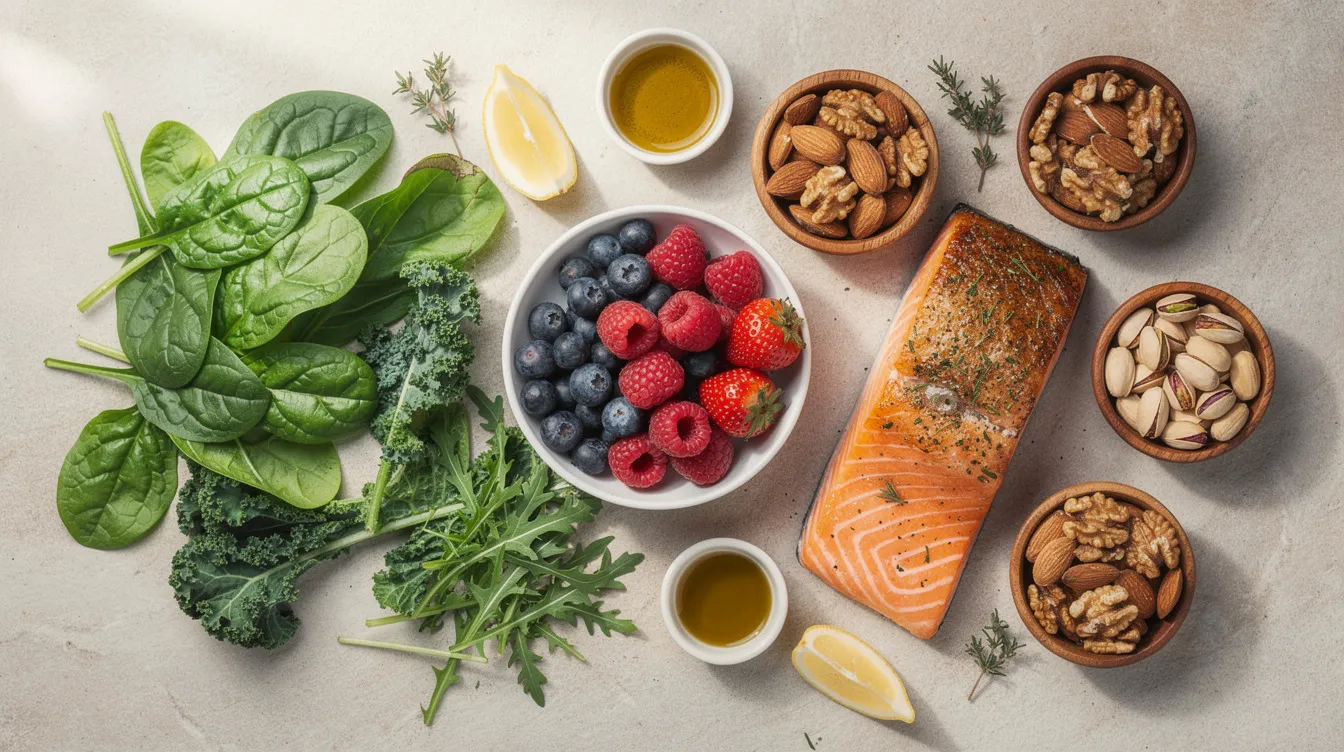
Nutrition: An anti-inflammatory eating pattern matters. Focus on colorful vegetables, fruits, omega-3 fats (from fish, flax, chia, or walnuts), and minimally processed foods. Reduce refined sugars and industrial seed oils that can drive inflammation.
Other Supportive Strategies
- Physical therapy or mobility work to correct imbalances
- Stress management and sleep hygiene—chronic stress upregulates the same inflammatory pathways these herbs target
- Consider vitamin D supplementation if deficient, as it plays a role in musculoskeletal health
- In some cases, integrative approaches like acupuncture or massage
The Tribe Organics Philosophy
Our mission is to empower people with clean, plant-based tools that fit into a sustainable wellness routine—not to replace medical care. We believe the best results come from combining high-quality supplements with consistent lifestyle practices, which is central to the Tribe Organics holistic wellness philosophy.
Our product line includes synergistic herbal and mushroom formulas for inflammation, immune support, stress resilience, and gut health. They’re designed to work together as part of your daily routine, not as isolated interventions.
Key Takeaways
- Boswellia excels for rapid joint pain relief and stiffness reduction, with some users noticing changes within 7-14 days
- Turmeric offers broader systemic anti-inflammatory and antioxidant support, ideal for metabolic health and daily wellness
- Combining both targets multiple inflammatory pathways and may deliver stronger results than either alone
- Look for standardized extracts with enhanced bioavailability—plain turmeric powder and generic Boswellia often don’t deliver clinical benefits
- Both herbs have favorable safety profiles but require caution with blood thinners and certain health conditions
- Supplements work best alongside movement, weight management, and anti-inflammatory nutrition
Boswellia and turmeric represent some of the best-studied herbal allies for chronic pain and inflammation. Whether you choose one or combine both, the key is selecting high-quality, standardized formulations at clinically relevant doses.
Work with your healthcare provider to personalize your approach, especially if you’re managing rheumatoid arthritis, heart disease risk, or taking conventional treatments. And when you’re ready to try evidence-backed herbal support, choose products from brands committed to organic sourcing, third-party testing, and transparent labeling—like Tribe Organics, where our team is available if you need to contact us for personalized product support.
Your joints have carried you through life. Give them the natural support they deserve.
Shop best sellers
Explore our collection of favorite items that have gained popularity for their quality and satisfaction.


